
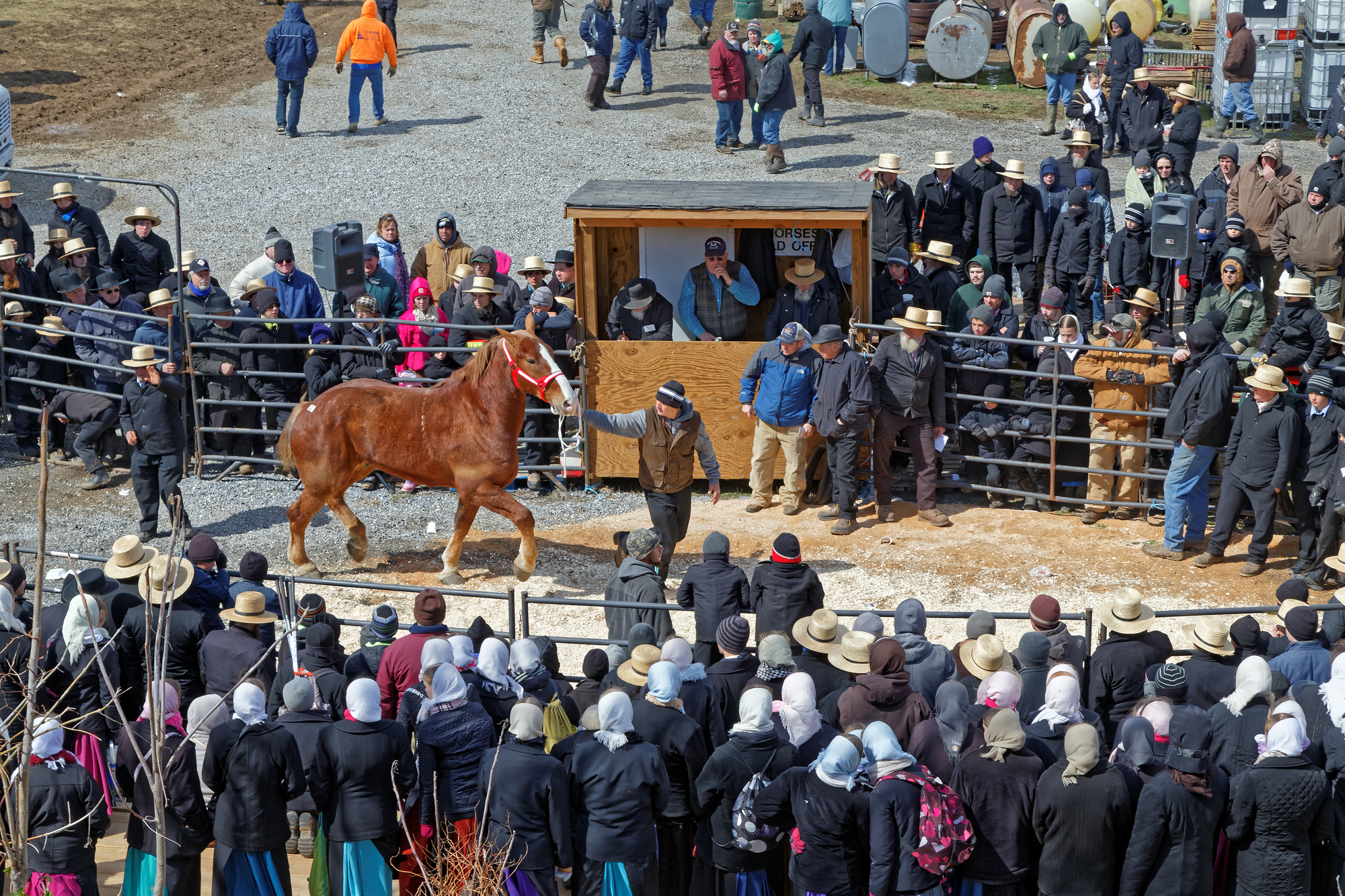
Editorial photo-Sale Auction
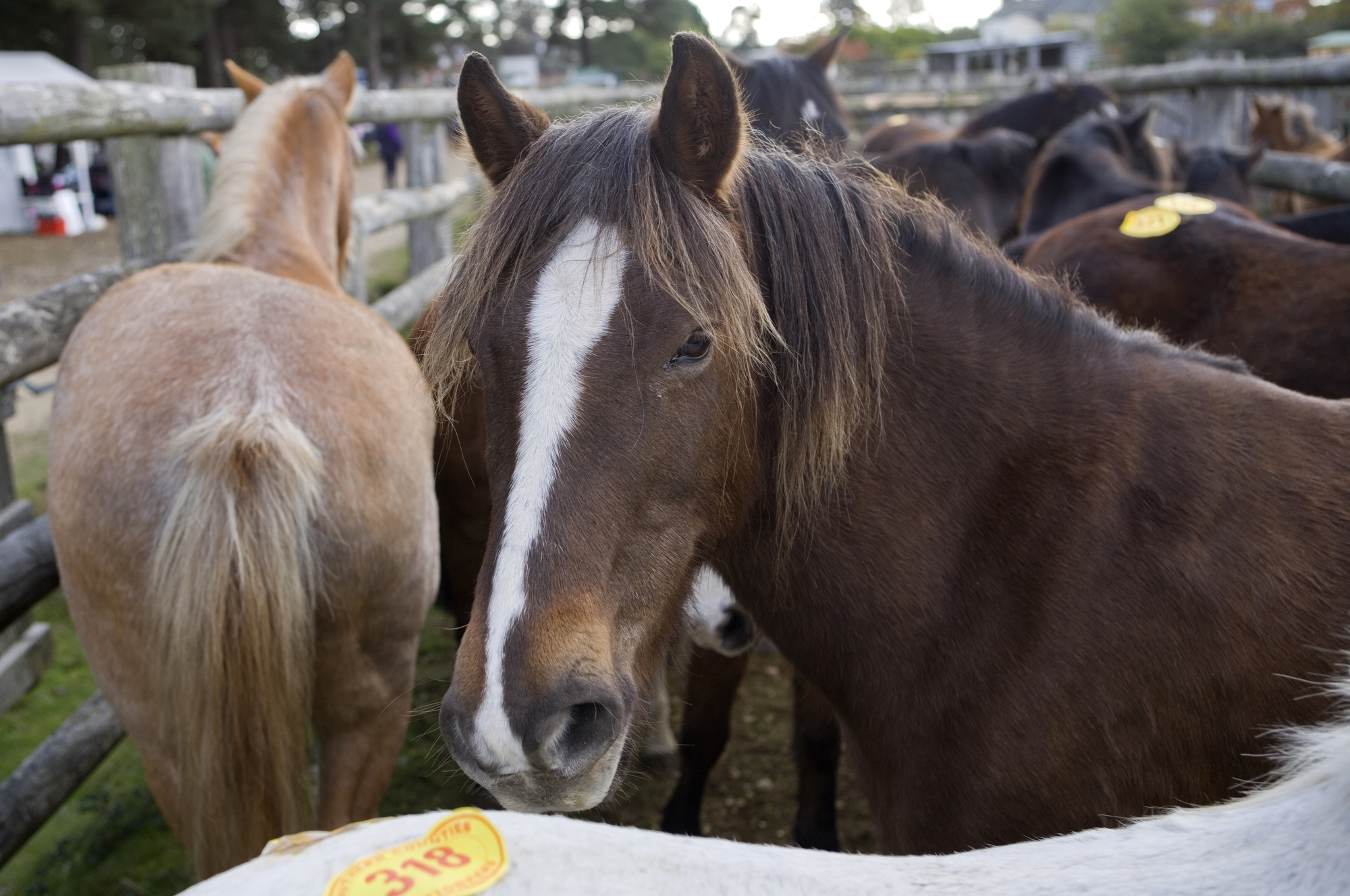
Tagged Horses
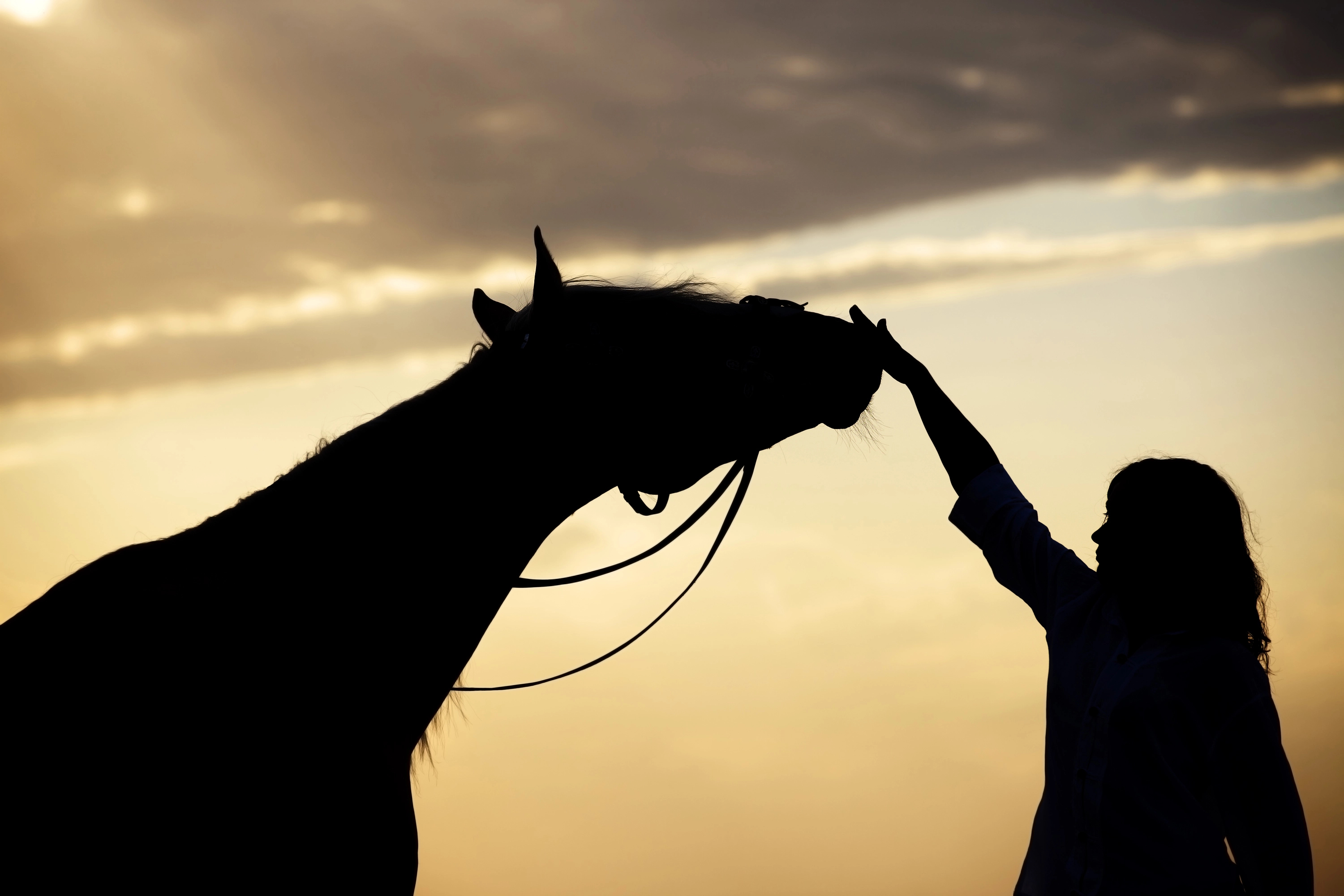
The public is asked to support equine welfare.
SAFE Act advocates call on their lawmakers to pass pending Federal bills that will prevent inhumane end of life for America’s Equines
ATLANTA, GA, UNITED STATES, December 1, 2025 /EINPresswire.com/ -- When the difficult time comes to have a horse euthanized, most owners want to ensure they do it in the most humane way possible. They want their companion to be pain free and not
experience panic or a sense of danger during the process. The word euthanasia comes from the ancient Greek words eu (‘’good’’) and thanatos (“’death’’). The good and easy death.The Save America’s Forgotten Equines Act of 2025, SAFE ACT, was reintroduced in both Houses of Congress in February 2025. The bills would prohibit a person from knowingly (1) slaughtering an equine for human consumption; or (2) shipping, transporting, possessing, purchasing, selling, or donating an equine to be slaughtered for human consumption or equine parts for human consumption. Current law prohibits the slaughter of dogs and cats for human consumption. This bill extends the prohibition to equines.
AEA’s Safe Horse spokesperson states, “horses that end up in the slaughter pipeline face a far different end of life than an easy passing. Kill buyers, also known as horse meat brokers, buy equines to transport them to Canadian or Mexican slaughterhouses. A humane end of life is not part of the death process during equine slaughter. Horses in slaughter plants may remain aware of what is happening when the rendering process begins. They would experience extreme fear and suffering because of failure to make sure the animal is fully unconscious. Many people consider kill buying and horse slaughter the dark side of America’s equine industry.”
Few people know about the issue; however, it is a highly discussed issue on Capitol Hill. The equine protection community, opposed to the slaughter of the country’s horses, and pro-slaughter special interest groups have both worked on the issue every congressional session since the efforts to end slaughter began. Failure to agree on and pass a bill to protect America’s horses keeps the kill buying channel open.
Individuals and groups supporting horse slaughter promote the idea that slaughter is a humane end of life. A simple google search provides information to the contrary. Testimony given in a 2008 hearing by Dr. Nicholas H. Dodman, founder of Veterinarians for Equine Welfare, presents the opposing view of equine slaughter. To this day, people cite Dr. Dodman’s testimony as evidence that equine slaughter is inhumane.
“One need only observe horse slaughter to see that it is a far cry from genuine humane euthanasia. From the transport of horses on inappropriate conveyances for long periods of time without food, water, or rest - to the very ugly slaughter process in which horses react with pain and fear, no evidence exists to support the claim that horse slaughter is a form of humane euthanasia. Rather, it is a brutal process that results in very tangible and easily observable equine suffering.”
The recently published Animals Angels’ October 29th field investigation documents the very disturbing reality of America’s kill buyers and slaughter bound horses. The full report is in the link. Their report concludes by stating the auction attended “is a glaring example of how America’s misfortunate horses are funneled into a system of cruelty and neglect. With no veterinary oversight, no food or water provided, and kill buyers dominating the sale, this auction profits off the suffering of vulnerable animals.”
Pro-horse slaughter groups also promote the concept that slaughter helps protect what they refer to as the ‘unwanted’ horse. The nation’s rescue community disagrees. They believe these horses are not actually unwanted but are instead the unlucky ones. They are the horses that have fallen into the hands of kill buyers. There are some owners who simply do not want to care for a horse any longer. Rather than looking for another home or contacting a rescue organization for help, they find it easier to sell their animals at auctions, where they can end up being bought solely for slaughter. Kill buyers target auction houses and Craigslist. Without caution in re-homing, a prior owner may never know that horses advertised as “free to a good home” could end up in kill pens.
Readers are called upon to support this issue by reaching out to their elected officials. They are encouraged to ask their lawmakers to support the Save America’s Forgotten Equines Act. It only takes a few minutes to make the call to help wild and domestic horses, burros and donkeys. These links provide Representative and Senate contact information.
https://www.house.gov/representatives
https://www.senate.gov/senators/senators-contact.htm
The bill number in the House is H.R.1661 and the Senate bill is S. 775 for the 119th Congress (2025-2026). Please ask your federal lawmakers to co-sponsor the SAFE Act.
Horses have a unique bond with people and have been their companions for centuries. Members of the public are asked to take a moment to reflect on the hard work and sacrifices these animals made. American Equine Awareness, AEA, encourages people to show their appreciation to them by supporting efforts to improve the welfare of horses and other equines.

No comments:
Post a Comment